Natural materials have a way of ageing beautifully. A timber table develops a richer patina, stone gains character with every spill wiped away, and wool rugs soften underfoot over the years. For homeowners who want a space that feels current today and timeless tomorrow, nature is the most reliable design partner.
Timber: the backbone of the room
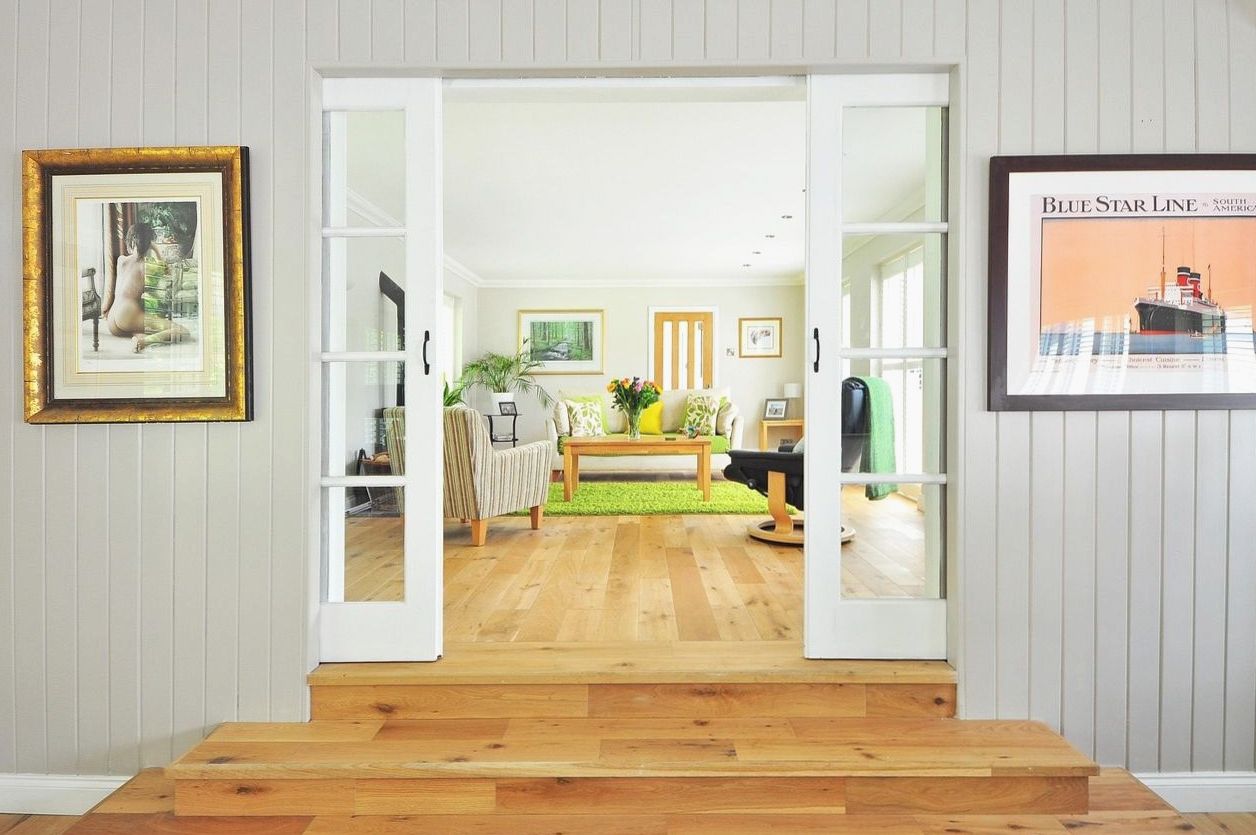
Choose one dominant timber tone and stay consistent with it across flooring, joinery and furniture. Light oak suits bright, coastal interiors, while walnut and blackbutt add depth to moodier schemes. A good rule of thumb is to match undertones — warm timber pairs with warm metals such as brass, while cooler greys sit happily alongside blackened steel.
Stone: the quiet anchor
Stone works best as a sculptural accent rather than a wall-to-wall material. A travertine coffee table, a marble benchtop or a slim stone shelf can ground a seating area and introduce natural variation that manufactured surfaces simply cannot replicate. Because stone is heavy visually, give it room to breathe with plenty of negative space around it.
Rattan and cane: light relief
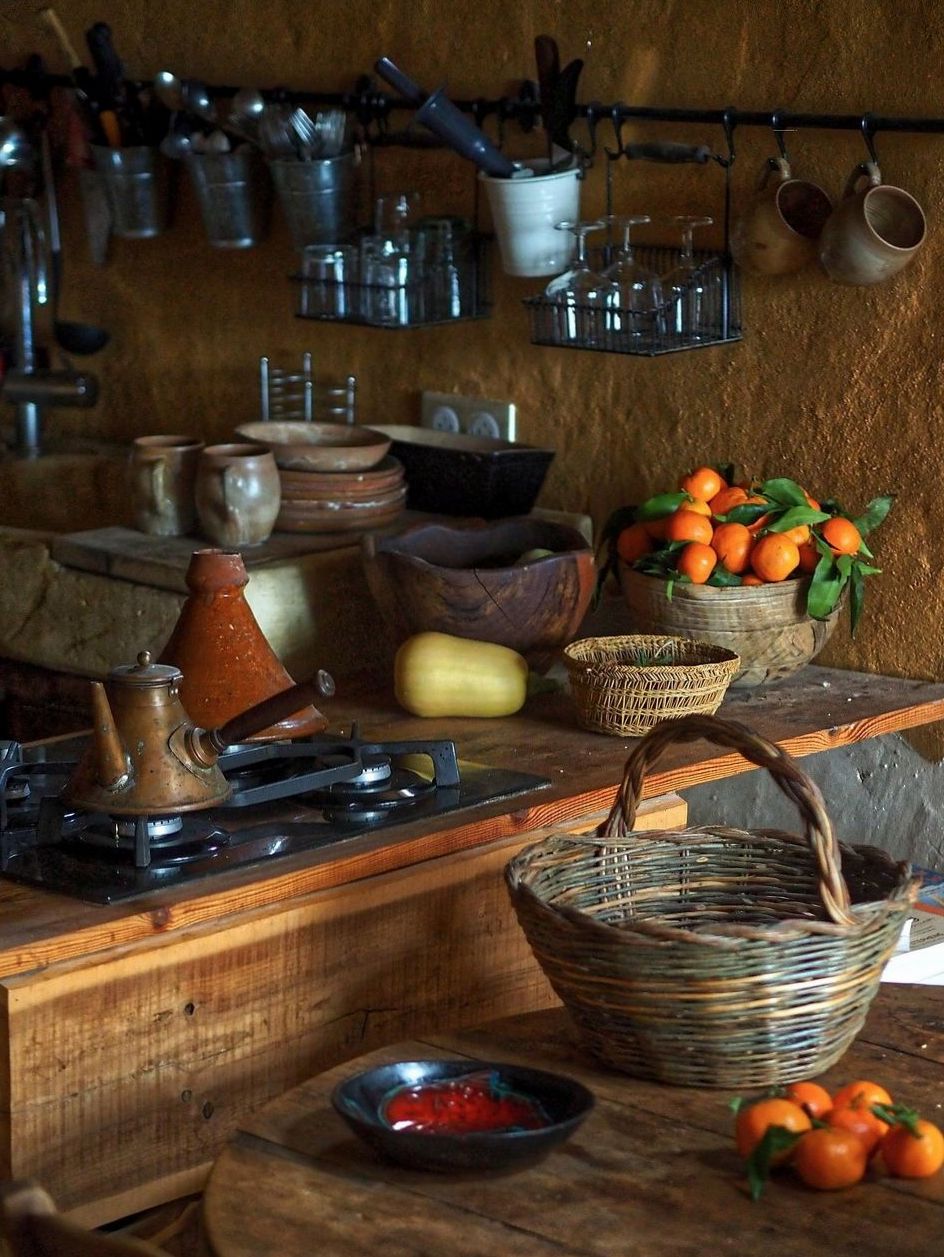
Woven fibres are the easiest way to add warmth without weight. A cane pendant, a rattan sideboard or woven dining chairs break up solid planes and cast delicate shadows in daylight. They are especially effective in apartments, where large timber or stone pieces can feel overwhelming.
Wool and linen: texture that performs
Natural textiles regulate temperature and resist wear far better than most synthetics. Wool rugs stay cool in summer and warm in winter, while linen upholstery softens and becomes more comfortable with use. Look for high-twist wool and mid-weight linen — both strike the right balance between durability and softness for busy family homes.
A simple selection checklist
- Limit yourself to three natural materials in any single room.
- Repeat each material at least twice to create rhythm.
- Match undertones: warm with warm, cool with cool.
- Leave generous negative space around stone and large timber pieces.
- Choose matte, unsealed finishes where practical — they patina more gracefully.
Not sure which materials suit your light, layout or lifestyle? Our designers can build a material palette tailored to your home. Explore our design consultation or bespoke furniture service, or read our guide on styling your living room with layered textures.